.png?width=150&height=84&name=PP%20Logo%20transparent%20landscape%20dark%20(950%20px).png "Palate Pilgrim")
.png)
By Palate Pilgrim Research Team Feb 2026 • 12 Min Read
You’ve seen the list. Condé Nast Traveller just dropped their Gold List – Asia 2026—a spectacular curation of heritage palaces, private islands, and wellness temples.
Like every other luxury traveler, you went to book that dream villa in Sentosa or that safari camp in Ranthambore, only to face the dreaded red text: "No Availability."
We knew something was off. The math didn't add up. So, we spent the last 30 days manually calling General Managers and auditing backend inventory systems.
The verdict? The algorithms are lying to you.
Hotels aren't necessarily full; they are "fencing." This means they pull their best rooms off sites like Expedia and Booking.com to avoid paying 20% commissions during peak holiday spikes.
Below is our decoded dossier on how to get in when the internet says you can't.
🚀 TL;DR — The 2026 Cheat Sheet
Too busy to read the full audit? Here’s the playbook to save you time and money:
- Avoid Singapore & Vietnam in February: The Lunar New Year drives prices up 200–300%.
- Book India in late April: Yes, it is hot, but you get extreme value (up to 40% savings) and better wildlife sightings.
- Swap Kyoto for Nikko: February offers the same culture without the "Sakura Tax."
- “Sold Out” ≠ Full: Usually, it just means inventory was hidden to avoid commissions. Pick up the phone.
1. The "Ghost Inventory" System
What “Sold Out” Actually Means
During peak demand windows—like Lunar New Year or Cherry Blossom season—luxury hotels intentionally remove rooms from online booking platforms.
.png?width=500&height=500&name=Generated%20image%201%20(36).png)
Why?
- Commissions are high: Online Travel Agencies (OTAs) charge hotels 18–25%.
- Demand is guaranteed: During holidays, hotels know they will sell out without help.
- Profit protection: Direct, offline bookings let them keep 100% of the revenue.
The Result: Booking sites show "No Availability" while real rooms sit quietly on hold in the hotel's private system.
🚩 The Red Flag: Feb 18–20, 2026 (Lunar New Year)
This is the most distorted booking window of 2026.
Case Study: Capella Singapore
- Web Status: Sold Out
- Reality: One-bedroom villas are held back.
- The Fix: Capella fences its villas from public inventory to avoid peak-season commissions. You must book via email or phone.
- Rate: ₹1.75 L / night
Case Study: Chiva-Som, Thailand
- Web Status: Unavailable
- Reality: Minimum Stay Requirement
- The Fix: Booking engines often crash when a hotel requires a mandatory 3-night stay. If you search for 2 nights, it says "Sold Out." Change your search to Feb 18–21 (3 nights), and availability magically reappears.
- Rate: ₹4.45 L total
2. Heat Arbitrage: When 40°C Becomes a Discount
April Is India’s Best-Kept Luxury Secret
.png?width=500&height=500&name=Generated%20image%201%20(37).png) Most tourists flee India in April because of the heat. But for the savvy traveler, April is the "contrarian win." When the temperature rises, the crowds vanish, and prices collapse by 30–45%.
Most tourists flee India in April because of the heat. But for the savvy traveler, April is the "contrarian win." When the temperature rises, the crowds vanish, and prices collapse by 30–45%.
Why April Beats February
- Wildlife: Animals gather at waterholes due to the heat, making tiger sightings significantly easier than in cooler months.
- Privacy: No tour groups, fewer weddings, and no business conventions.
🗓️ Target Dates: Apr 22–24, 2026
SUJÁN Sher Bagh (Ranthambore)
- February Rate: ₹1.10 L
- April Rate: ₹65,000
- The Hack: You sweat, but you save ₹45,000 per night and see more tigers.
Taj Falaknuma Palace (Hyderabad)
- Status: Season Low
- Rate: ₹48,000 / night
- The Hack: Live like the Nizam at a 35% discount compared to March. This is the best window to secure the Historical Suite before the wedding season returns.
3. The "Sakura Surge": Japan’s Most Expensive Illusion
Cherry Blossoms Come With a Tax
.png?width=500&height=500&name=Generated%20image%201%20(38).png) March and April in Japan are surgically expensive. Rates double overnight, and inventory shifts to waitlists where returning guests get priority.
March and April in Japan are surgically expensive. Rates double overnight, and inventory shifts to waitlists where returning guests get priority.
The Solution? Go in February.
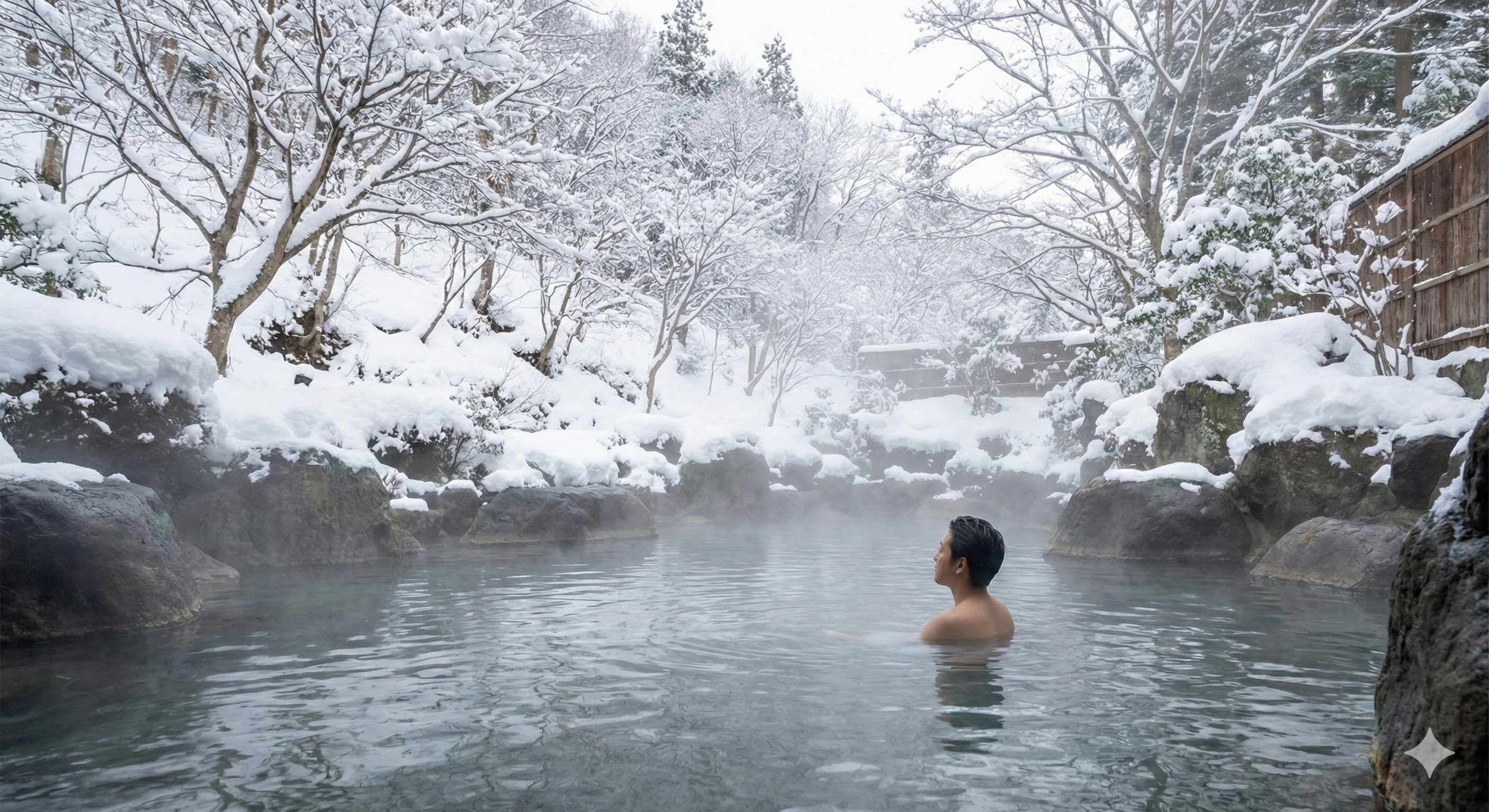
You get clear winter air, snow-dusted temples, and peak Onsen (hot spring) season. You get the same world-class hospitality without the chaos.
🌸 The Cost of Flowers: Mar 18–20, 2026
Ritz-Carlton Kyoto
- February Rate: ₹2.01 L
- March (Sakura) Rate: ₹3.33 L
- The Reality: If you book in March, you are paying a ₹1.3 L per-night tax just to see flowers.
The Alternative: Ritz-Carlton Nikko
- Rate: ₹65,000 / night
- Value: ~30% of Kyoto pricing
- The Vibe: Snow-covered forests, private onsens, and serene lakeside views. Nikko is the ultimate value play for 2026.
4. Regional Intelligence: Southeast Asia
The Myth of “Peak Season Only”
.png?width=500&height=500&name=Generated%20image%201%20(39).png) Across Southeast Asia, pricing follows "shoulder-season" physics. We verified that late April triggers automatic rate drops across the region.
Across Southeast Asia, pricing follows "shoulder-season" physics. We verified that late April triggers automatic rate drops across the region.
Where Value Quietly Lives:
- Maldives: Late April transitions.
- Hanoi: Post-Tết (Vietnamese New Year) calm.
- Nepal: Off-peak heritage pricing.
📉 Verified Offline Rates (Two Adults)
We consolidated offline data to find the real rates, stripping away the algorithm-inflated placeholders.
| Hotel | Location | Best Window | Offline Rate (Approx) |
| The Nautilus | Maldives | Late April | ₹5.41 L |
| Sofitel Metropole | Hanoi | Feb (Post-Tết) | ₹22,000 |
| The Peninsula | Manila | Apr 22–24 | ₹32,000
|
| Dwarika’s | Kathmandu | February | ₹35,000 |
| Happy House | Nepal | Buyout Only | ₹10.8 L |
The Verdict: Stop Scrolling. Start Calling.
Luxury travel didn’t get more exclusive—it just got more algorithmic. Booking platforms like Booking.com or Expedia optimize for scale, not nuance. They don’t know which rooms are held "just in case" or which General Managers will quietly override the system for a polite email inquiry.
The 2026 Rules of Engagement:
- IGNORE "Sold Out" labels on your screen.
- PIVOT your dates, not your destination.
- GO where the heat (or cold) scares the tourists away.
- CALL PALATE PILGRIM directly when the computer says no.
The best rooms aren’t online.
They’re reserved for people who know how to ask.